The past decade has endured stark changes within the music industry – most notably, in how consumers are listening to music – and as a result, individual artists are able to hold more power over their own career. Theoretically, that is. Yet, with such a mass period of growth, a major question has arisen; has the evolution actually proved beneficial for independent musicians or has it simply spurred harmful expectations amongst aspiring artists?
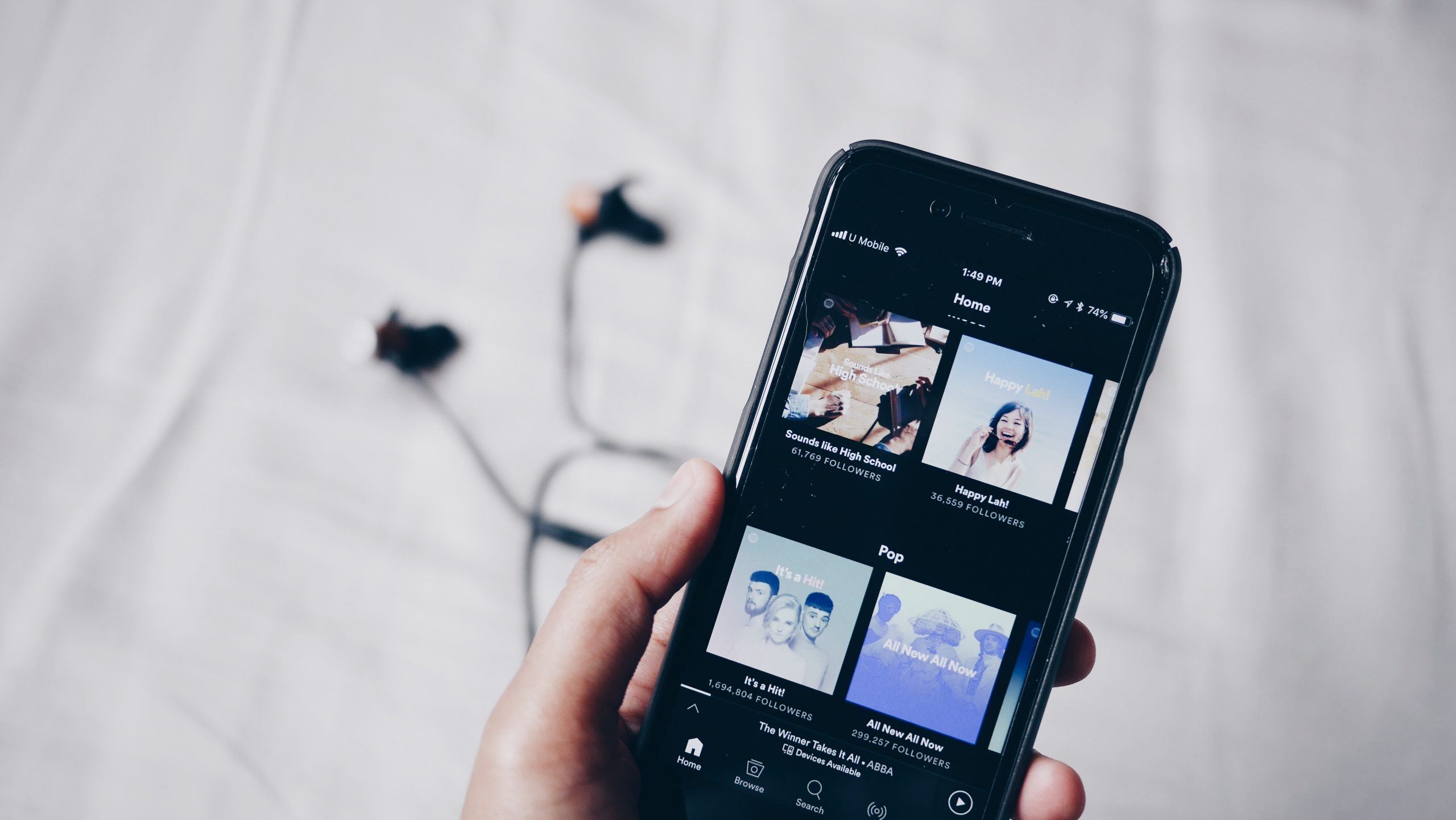
To better understand how the industry has transformed, it’s imperative to look toward major streaming platforms. Those such as Spotify and Apple Music have created a digital empire which has sparked the downfall of traditional music platforms such as CDs. For instance, it was reported that as of 2019, Spotify had 300 million users globally – an incomprehensibly vast audience.
However, it isn’t difficult to understand why these platforms have gained such popularity as they group every genre, artist and playlist into one compatible application. No longer do individuals have to rummage through a drawer to find that one specific album they’ve been itching to listen to all day, or locate a compatible device. Instead, an artist’s entire collection is accessible at a click of a button on a smartphone. In a word, digital streaming platforms have made music convenient. Something that today’s culture demands from practically every sector.
But, how has this transformation affected independent musicians?
The thought process is quite simple. Platforms such as Spotify allow individuals to list themselves – with the assistance of third-party distributors that can be easily found online – as an artist and present their music to the wider world. The logic of this, of course, is that they can spur their own success without the input of larger corporations or increased representation – making the venture less expensive and less business-like.
There are a number of platforms in which musicians can present their work to the wider world but arguably the most popular would have to be Spotify. The platform has a number of impressive attributes but perhaps the most significant in this line of enquiry is that it homes over 50 million tracks.
The process for getting your music live on Spotify is fairly simple. Firstly, you must register on the platform as an artist. From there, you will build out your profile before uploading your music. For a pessimist, it may even seem too simple.
Has this made the music industry more accessible to aspiring artists?
Perhaps it is exactly this simplicity that makes the actuality of worldwide musical acclaim inaccessible.
Undeniably, the rise of digital platforms has provided many with unique and autonomous methods in which they can put their work into the world however misconceptions arise in the belief that this route into music assures that your voice will be heard.
Due to this digital takeover, more people than ever are grasping at the very same opportunity meaning that many get lost among the noise. Those who succeed also see little reward in terms of financial gain. For context, it has been reported that on Spotify a musician will receive $0.00437 per stream – so it could be a long time before they see any real benefit in this capacity.
However, it’s important not to belittle the improvements that have been seen. This progression within the music industry allows many to share in a professional format, begin to create a name for themselves as well as present their music without increasing help from external bodies – all of which are tremendous advancements.
If anything, these last years have prompted for a positive perspective of what’s to come; further advancement, further individuality and further exposure.
*THIS POST IS SPONSORED BY LOVE IT COVER IT*